Buy healthpointer.eu ?
We are moving the project
healthpointer.eu .
Are you interested in purchasing the domain
healthpointer.eu ?
domain@kv-gmbh.de · 0541-91531010
Buy healthpointer.eu ?
Can sports, healthy nutrition, and meditation as self-reflection replace therapy for mental illnesses?
While sports, healthy nutrition, and meditation can certainly contribute to overall well-being and mental health, they are not a replacement for therapy for mental illnesses. Therapy provides a structured and professional approach to addressing mental health issues, offering personalized treatment plans and interventions tailored to an individual's specific needs. While engaging in healthy lifestyle practices can be beneficial, they should be seen as complementary to therapy rather than a substitute. It's important for individuals with mental illnesses to seek professional help from a licensed therapist or mental health professional to receive the appropriate support and treatment. **
How can one distinguish ionic compounds from molecular compounds?
Ionic compounds are formed from the attraction between positively and negatively charged ions, while molecular compounds are formed from the sharing of electrons between atoms. One way to distinguish between the two is to look at their chemical formulas. Ionic compounds typically consist of a metal and a nonmetal, while molecular compounds consist of nonmetals only. Additionally, ionic compounds tend to have higher melting and boiling points compared to molecular compounds due to their strong electrostatic attractions. Finally, conducting a simple solubility test can also help distinguish between the two types of compounds, as ionic compounds are often soluble in water while molecular compounds may not be. **
Similar search terms for Compounds
Top-Angebote
Products related to Compounds:
-
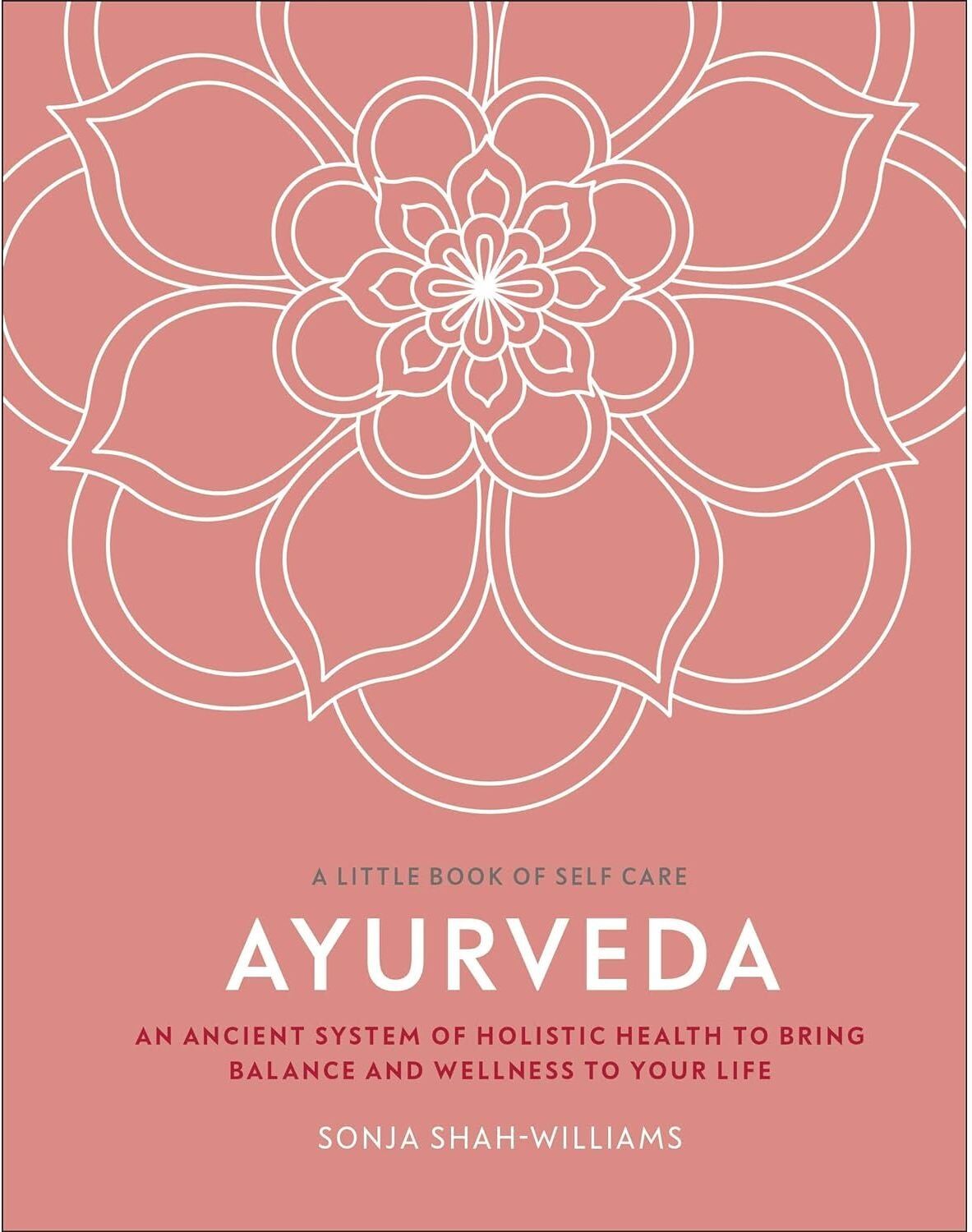
DK Ayurveda: An Ancient System of Holistic Health to Bring Balance and Wellness to Your Life (A Little Book of Self Care)Make Ayurveda an indispensable part of your daily routine with this step-by-step guide to holistic balance and wellness. For a natural approach to self-healing, alternative medicine, and wellness, expert Sonja Shah-Williams has tailored remedies including Ayurveda recipes, skincare, yoga, and mindful meditation techniques. Harness the power of alternative therapies and discover: - What Ayurveda is and the benefits of the practice - Easy to follow, step by step illustrated guide to Ayurvedic practices - Ayurvedic super-foods and recipes - How to easily incorporate holistic practices into daily life - Positive affirmations, mindfulness techniques and exercises Modern science has proved the effectiveness of Ayurveda as a view of the world based on ancient beliefs that everything is connected and that balance is the key to wellbeing. Ayurveda focuses on the prevention of disease by focusing on anti-inflammatory diets, mindful meditation, and massages. This practical guide is an Ayurvedic consultation at your disposal. This little self-care book will take you on a breathtaking journey of holistic healing. It begins by unpacking what Ayurveda is and the benefits of the practice. This reference book includes wellness practices designed to uplift the mind, body, and spirit and healing treatments designed to address, relieve, and help cure a range of common conditions.4,95 £*Shipping: 1,99 £Secure redirect to the provider
-
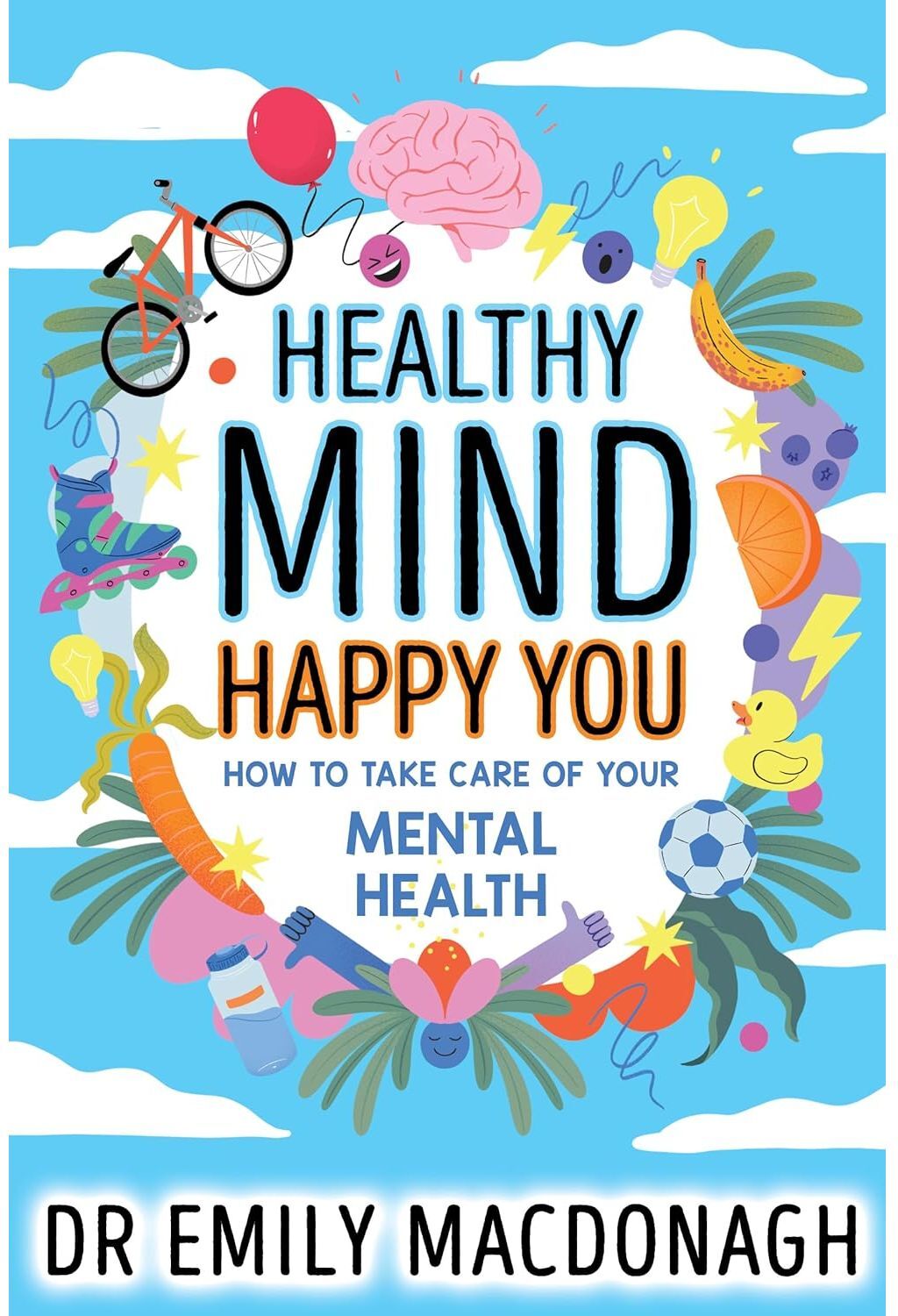
Scholastic Healthy Mind, Happy You: How to Take Care of Your Mental Health - Everything you need to know about anxiety and mental healthHealthy mind, happy you! This reassuring, fact-packed book for girls and boys is all about how to maintain good mental health while growing up. Dr Emily MacDonagh, a practising NHS doctor and OK! magazine’s popular Health and Parenting Columnist, talks about anxiety and mental health in a simple and friendly way. Topics include: What is anxiety, and how can you manage it? Why do people have low mood and depression? How to understand and express your emotions Plus, expert tips and practical information on self-esteem, the physical changes of puberty, resilience, and lots more. Mother of two and step-mother to teenagers, Dr Emily lives with her husband Peter Andre and children in Surrey.7,45 £*Shipping: 2,99 £Secure redirect to the provider
-
Healfit Counter Respirator Fitness Equipment, Breathing Trainer Mouthpiece, Lung Exercise Tool For Household Health Care Respirator Fitness Equipment, Breathing Trainer Mouthpiece, Lung Exercise Tool For Household Health CareEnhance your fitness and stamina with the Breathing Trainer Exercise Lung Face Mouthpiece Respirator Fitness Equipmentyour compact solution for improving lung performance and endurance. Designed for athletes, fitness enthusiasts, and anyone looking...27,97 $*Shipping: 0,00 $Secure redirect to the provider
-
Harper The Longevity Paradox by Steven R. Gundry – Healthy Aging & Nutrition GuideRethink aging and long-term wellness with The Longevity Paradox: How to Die Young at a Ripe Old Age by Steven R. Gundry. In this accessible health guide, Dr. Gundry explores how lifestyle choices — including diet, gut health, and daily habits — may influence how we age. Drawing on research and clinical insights, the book introduces practical strategies aimed at supporting energy, resilience, and overall wellbeing throughout life. Written in a clear, motivating style, The Longevity Paradox encourages readers to take an active role in shaping healthier routines, focusing on prevention and sustainable habits rather than quick fixes. Why Readers Love This Book: Practical insights into healthy aging Focus on nutrition, gut health, and lifestyle habits Accessible science explained clearly Encourages long-term wellness strategies Motivating and easy to follow A thought-provoking guide to living well at every age, The Longevity Paradox inspires readers to rethink how they approach health and longevity.5,99 £*Shipping: 2,99 £Secure redirect to the provider


-
How do you distinguish determinative compounds and possessive compounds?
Determinative compounds are formed by combining two words to create a new concept, where the first word determines the meaning of the second word. For example, "blackboard" is a determinative compound where "black" determines the type of "board." Possessive compounds, on the other hand, indicate possession or relationship between the two words. For example, "John's car" is a possessive compound where "John" possesses the "car." In summary, determinative compounds determine the meaning of the second word, while possessive compounds indicate possession or relationship between the two words. **
-
Can you help me with chemistry? I need information about atomic compounds, metal compounds, and ionic compounds.
Of course! Atomic compounds are formed when two or more non-metal atoms are chemically bonded together, such as in molecules like water (H2O) and carbon dioxide (CO2). Metal compounds are formed when a metal atom is bonded to one or more non-metal atoms, such as in compounds like sodium chloride (NaCl) and iron oxide (Fe2O3). Ionic compounds are formed when a metal atom transfers one or more electrons to a non-metal atom, resulting in the formation of positively and negatively charged ions that are attracted to each other, such as in compounds like sodium chloride (NaCl) and calcium carbonate (CaCO3). Let me know if you need more specific information or examples! **
-
Why do molecular compounds have lower boiling points than ionic compounds?
Molecular compounds have lower boiling points than ionic compounds because the intermolecular forces holding the molecules together are generally weaker than the electrostatic forces holding ions together in ionic compounds. In molecular compounds, the intermolecular forces are typically van der Waals forces, dipole-dipole interactions, or hydrogen bonding, which are weaker than the strong ionic bonds in ionic compounds. As a result, less energy is required to overcome these weaker intermolecular forces, leading to lower boiling points for molecular compounds compared to ionic compounds. **
-
What are sodium compounds?
Sodium compounds are chemical compounds that contain sodium as one of their elements. These compounds can be found in various forms, such as sodium chloride (table salt), sodium hydroxide (lye), and sodium bicarbonate (baking soda). Sodium compounds are widely used in industry, agriculture, and everyday life due to their diverse properties and applications. **


Name the isomeric compounds.
Isomers are compounds that have the same molecular formula but different structural arrangements. Some examples of isomeric compounds include butane and isobutane, which both have the molecular formula C4H10 but differ in their structural arrangement. Another example is glucose and fructose, which both have the molecular formula C6H12O6 but have different structural arrangements and properties. **
What are atomic compounds?
Atomic compounds are chemical compounds that are composed of individual atoms of different elements bonded together. These compounds are held together by chemical bonds, such as ionic or covalent bonds, and do not contain any molecules. Examples of atomic compounds include sodium chloride (NaCl) and water (H2O). Unlike molecular compounds, which are made up of molecules, atomic compounds are made up of individual atoms. **
Top-Angebote
Products related to Compounds:
-
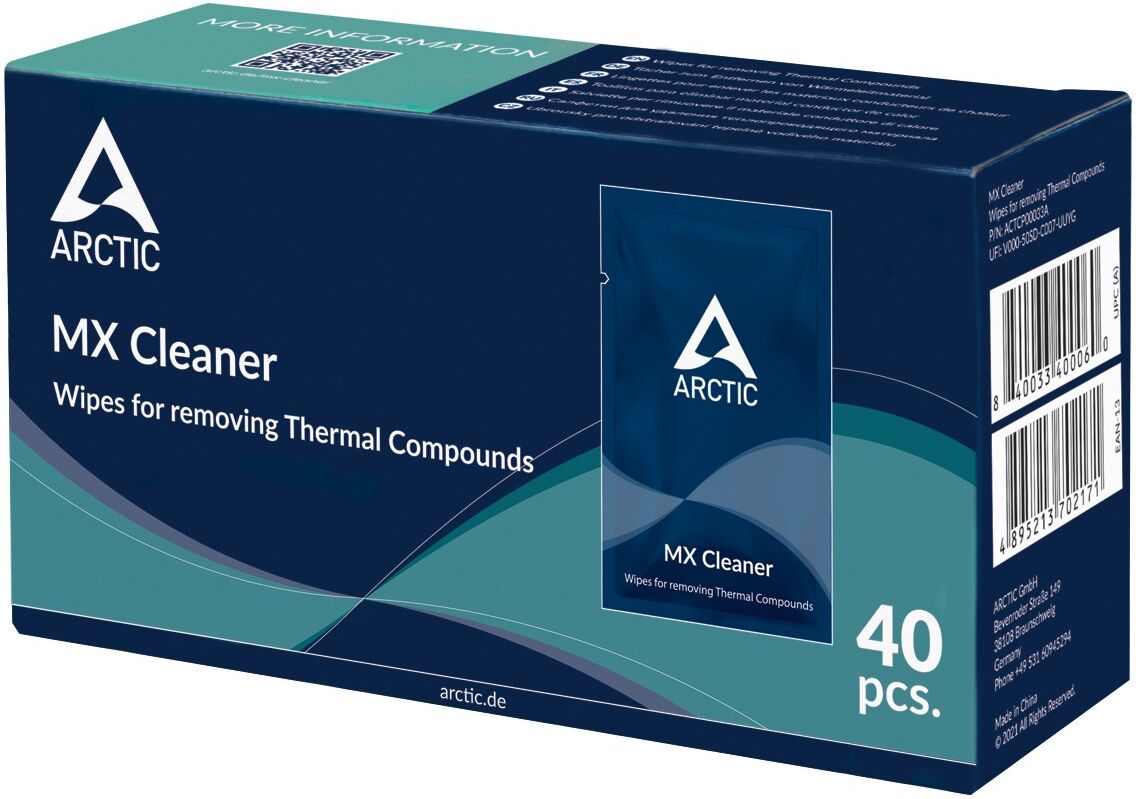
Arctic MX Cleaner - Wipes for removing Thermal Compounds (40 Pieces)ARCTIC MX Cleaner is a box of 40 individually sealed wet wipes for removing old thermal paste from CPUs, GPUs and heatsinks before reapplying compound. The cleaning fluid is limonene-based, derived from citrus oil, and contains no alcohol or benzene, so it is gentle on metals and alloys and leaves no residue. Each wipe is packed airtight to stay moist until it is used.12,99 £*Shipping: 0,00 £Secure redirect to the provider
-
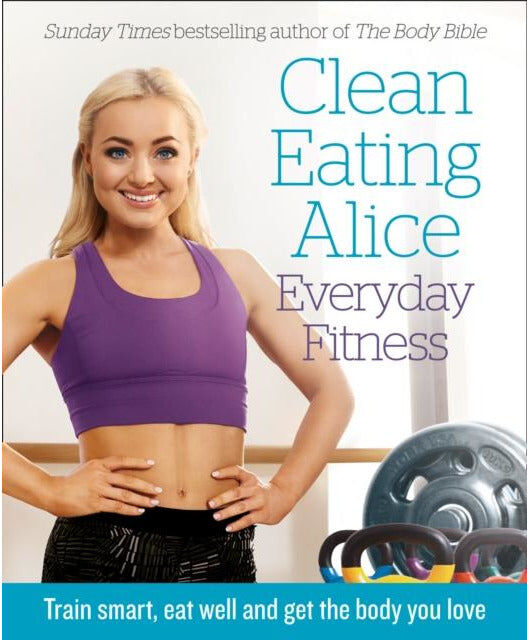
HARPERCOLLINS Clean Eating Alice: Everyday Fitness – Healthy Recipes & Practical Workout Guide for Everyday Wellness by Alice Liveing – Workout & Nutrition GuideTransform your approach to health and fitness with Clean Eating Alice Everyday Fitness: Train Smart, Eat Well and Get the Body You Love by Alice Liveing. This practical, motivating guide combines smart training principles with balanced nutrition to help readers build strength, confidence, and sustainable healthy habits. Alice Liveing shares structured workout plans, approachable meal ideas, and realistic lifestyle advice designed to fit everyday routines — no extremes or quick fixes required. Focused on long-term wellbeing rather than short-term dieting, the book empowers readers to develop a positive relationship with food and exercise while working toward personal fitness goals. Whether you’re new to training or refining your routine, this guide offers clear, supportive direction for lasting results. Why Readers Love This Book: Structured fitness training plans for real-life schedules Balanced nutrition guidance — no fad dieting Encourages sustainable, long-term habits Motivational, beginner-friendly tone Ideal for home or gym-based workouts A smart, accessible roadmap to healthier living, Clean Eating Alice Everyday Fitness helps readers feel strong, energized, and confident.2,80 £*Shipping: 1,99 £Secure redirect to the provider
-
DK Ayurveda: An Ancient System of Holistic Health to Bring Balance and Wellness to Your Life (A Little Book of Self Care)Make Ayurveda an indispensable part of your daily routine with this step-by-step guide to holistic balance and wellness. For a natural approach to self-healing, alternative medicine, and wellness, expert Sonja Shah-Williams has tailored remedies including Ayurveda recipes, skincare, yoga, and mindful meditation techniques. Harness the power of alternative therapies and discover: - What Ayurveda is and the benefits of the practice - Easy to follow, step by step illustrated guide to Ayurvedic practices - Ayurvedic super-foods and recipes - How to easily incorporate holistic practices into daily life - Positive affirmations, mindfulness techniques and exercises Modern science has proved the effectiveness of Ayurveda as a view of the world based on ancient beliefs that everything is connected and that balance is the key to wellbeing. Ayurveda focuses on the prevention of disease by focusing on anti-inflammatory diets, mindful meditation, and massages. This practical guide is an Ayurvedic consultation at your disposal. This little self-care book will take you on a breathtaking journey of holistic healing. It begins by unpacking what Ayurveda is and the benefits of the practice. This reference book includes wellness practices designed to uplift the mind, body, and spirit and healing treatments designed to address, relieve, and help cure a range of common conditions.4,95 £*Shipping: 1,99 £Secure redirect to the provider
-
Scholastic Healthy Mind, Happy You: How to Take Care of Your Mental Health - Everything you need to know about anxiety and mental healthHealthy mind, happy you! This reassuring, fact-packed book for girls and boys is all about how to maintain good mental health while growing up. Dr Emily MacDonagh, a practising NHS doctor and OK! magazine’s popular Health and Parenting Columnist, talks about anxiety and mental health in a simple and friendly way. Topics include: What is anxiety, and how can you manage it? Why do people have low mood and depression? How to understand and express your emotions Plus, expert tips and practical information on self-esteem, the physical changes of puberty, resilience, and lots more. Mother of two and step-mother to teenagers, Dr Emily lives with her husband Peter Andre and children in Surrey.7,45 £*Shipping: 2,99 £Secure redirect to the provider
-
Can sports, healthy nutrition, and meditation as self-reflection replace therapy for mental illnesses?
While sports, healthy nutrition, and meditation can certainly contribute to overall well-being and mental health, they are not a replacement for therapy for mental illnesses. Therapy provides a structured and professional approach to addressing mental health issues, offering personalized treatment plans and interventions tailored to an individual's specific needs. While engaging in healthy lifestyle practices can be beneficial, they should be seen as complementary to therapy rather than a substitute. It's important for individuals with mental illnesses to seek professional help from a licensed therapist or mental health professional to receive the appropriate support and treatment. **
-
How can one distinguish ionic compounds from molecular compounds?
Ionic compounds are formed from the attraction between positively and negatively charged ions, while molecular compounds are formed from the sharing of electrons between atoms. One way to distinguish between the two is to look at their chemical formulas. Ionic compounds typically consist of a metal and a nonmetal, while molecular compounds consist of nonmetals only. Additionally, ionic compounds tend to have higher melting and boiling points compared to molecular compounds due to their strong electrostatic attractions. Finally, conducting a simple solubility test can also help distinguish between the two types of compounds, as ionic compounds are often soluble in water while molecular compounds may not be. **
-
How do you distinguish determinative compounds and possessive compounds?
Determinative compounds are formed by combining two words to create a new concept, where the first word determines the meaning of the second word. For example, "blackboard" is a determinative compound where "black" determines the type of "board." Possessive compounds, on the other hand, indicate possession or relationship between the two words. For example, "John's car" is a possessive compound where "John" possesses the "car." In summary, determinative compounds determine the meaning of the second word, while possessive compounds indicate possession or relationship between the two words. **
-
Can you help me with chemistry? I need information about atomic compounds, metal compounds, and ionic compounds.
Of course! Atomic compounds are formed when two or more non-metal atoms are chemically bonded together, such as in molecules like water (H2O) and carbon dioxide (CO2). Metal compounds are formed when a metal atom is bonded to one or more non-metal atoms, such as in compounds like sodium chloride (NaCl) and iron oxide (Fe2O3). Ionic compounds are formed when a metal atom transfers one or more electrons to a non-metal atom, resulting in the formation of positively and negatively charged ions that are attracted to each other, such as in compounds like sodium chloride (NaCl) and calcium carbonate (CaCO3). Let me know if you need more specific information or examples! **
Similar search terms for Compounds
-
Healfit Counter Respirator Fitness Equipment, Breathing Trainer Mouthpiece, Lung Exercise Tool For Household Health Care Respirator Fitness Equipment, Breathing Trainer Mouthpiece, Lung Exercise Tool For Household Health CareEnhance your fitness and stamina with the Breathing Trainer Exercise Lung Face Mouthpiece Respirator Fitness Equipmentyour compact solution for improving lung performance and endurance. Designed for athletes, fitness enthusiasts, and anyone looking...27,97 $*Shipping: 0,00 $Secure redirect to the provider
-
Harper The Longevity Paradox by Steven R. Gundry – Healthy Aging & Nutrition GuideRethink aging and long-term wellness with The Longevity Paradox: How to Die Young at a Ripe Old Age by Steven R. Gundry. In this accessible health guide, Dr. Gundry explores how lifestyle choices — including diet, gut health, and daily habits — may influence how we age. Drawing on research and clinical insights, the book introduces practical strategies aimed at supporting energy, resilience, and overall wellbeing throughout life. Written in a clear, motivating style, The Longevity Paradox encourages readers to take an active role in shaping healthier routines, focusing on prevention and sustainable habits rather than quick fixes. Why Readers Love This Book: Practical insights into healthy aging Focus on nutrition, gut health, and lifestyle habits Accessible science explained clearly Encourages long-term wellness strategies Motivating and easy to follow A thought-provoking guide to living well at every age, The Longevity Paradox inspires readers to rethink how they approach health and longevity.5,99 £*Shipping: 2,99 £Secure redirect to the provider
-
Happy Pet Pantry Meow Mix Original Choice Dry Cat Food Complete Nutrition For Happy, Healthy Adult Cats Meow Mix Original Choice Dry Cat Food Complete Nutrition For Happy, Healthy Adult CatsGive your feline friend a meal they'll eagerly look forward to every day. Dry cat food should do more than satisfy hungerit should support your cat's health, energy, and overall wellbeing. Meow Mix Original Choice combines delicious chicken, turkey,...37,97 $*Shipping: 0,00 $Secure redirect to the provider
-
Healfit Counter Balance Trainer Pedal, Inflatable Stepper Core Exercise Equipment, Office Fitness, Home Gym Muscle Relaxing Massage purpleElevate Your Fitness with the Inflatable Stepper Core Exercise Equipment Designed to improve balance and core strength, the Inflatable Stepper Core Exercise Equipment is the ideal addition to any home gym. It combines functionality and comfort to...89,97 $*Shipping: 0,00 $Secure redirect to the provider
-
Why do molecular compounds have lower boiling points than ionic compounds?
Molecular compounds have lower boiling points than ionic compounds because the intermolecular forces holding the molecules together are generally weaker than the electrostatic forces holding ions together in ionic compounds. In molecular compounds, the intermolecular forces are typically van der Waals forces, dipole-dipole interactions, or hydrogen bonding, which are weaker than the strong ionic bonds in ionic compounds. As a result, less energy is required to overcome these weaker intermolecular forces, leading to lower boiling points for molecular compounds compared to ionic compounds. **
-
What are sodium compounds?
Sodium compounds are chemical compounds that contain sodium as one of their elements. These compounds can be found in various forms, such as sodium chloride (table salt), sodium hydroxide (lye), and sodium bicarbonate (baking soda). Sodium compounds are widely used in industry, agriculture, and everyday life due to their diverse properties and applications. **
-
Name the isomeric compounds.
Isomers are compounds that have the same molecular formula but different structural arrangements. Some examples of isomeric compounds include butane and isobutane, which both have the molecular formula C4H10 but differ in their structural arrangement. Another example is glucose and fructose, which both have the molecular formula C6H12O6 but have different structural arrangements and properties. **
-
What are atomic compounds?
Atomic compounds are chemical compounds that are composed of individual atoms of different elements bonded together. These compounds are held together by chemical bonds, such as ionic or covalent bonds, and do not contain any molecules. Examples of atomic compounds include sodium chloride (NaCl) and water (H2O). Unlike molecular compounds, which are made up of molecules, atomic compounds are made up of individual atoms. **
* All prices are inclusive of VAT and, if applicable, plus shipping costs. The offer information is based on the details provided by the respective shop and is updated through automated processes. Real-time updates do not occur, so deviations can occur in individual cases. ** Note: Parts of this content were created by AI.