Buy healthpointer.eu ?
We are moving the project
healthpointer.eu .
Are you interested in purchasing the domain
healthpointer.eu ?
domain@kv-gmbh.de · 0541-91531010
Buy healthpointer.eu ?
Can sports, healthy nutrition, and meditation as self-reflection replace therapy for mental illnesses?
While sports, healthy nutrition, and meditation can certainly contribute to overall well-being and mental health, they are not a replacement for therapy for mental illnesses. Therapy provides a structured and professional approach to addressing mental health issues, offering personalized treatment plans and interventions tailored to an individual's specific needs. While engaging in healthy lifestyle practices can be beneficial, they should be seen as complementary to therapy rather than a substitute. It's important for individuals with mental illnesses to seek professional help from a licensed therapist or mental health professional to receive the appropriate support and treatment. **
What are demonstrative pronouns and relative pronouns?
Demonstrative pronouns are pronouns that are used to point to specific things or people. Examples of demonstrative pronouns include "this," "that," "these," and "those." Relative pronouns are pronouns that introduce dependent clauses and connect them to independent clauses. Examples of relative pronouns include "who," "whom," "whose," "which," and "that." **
Similar search terms for Pronouns
Top-Angebote
Products related to Pronouns:
-
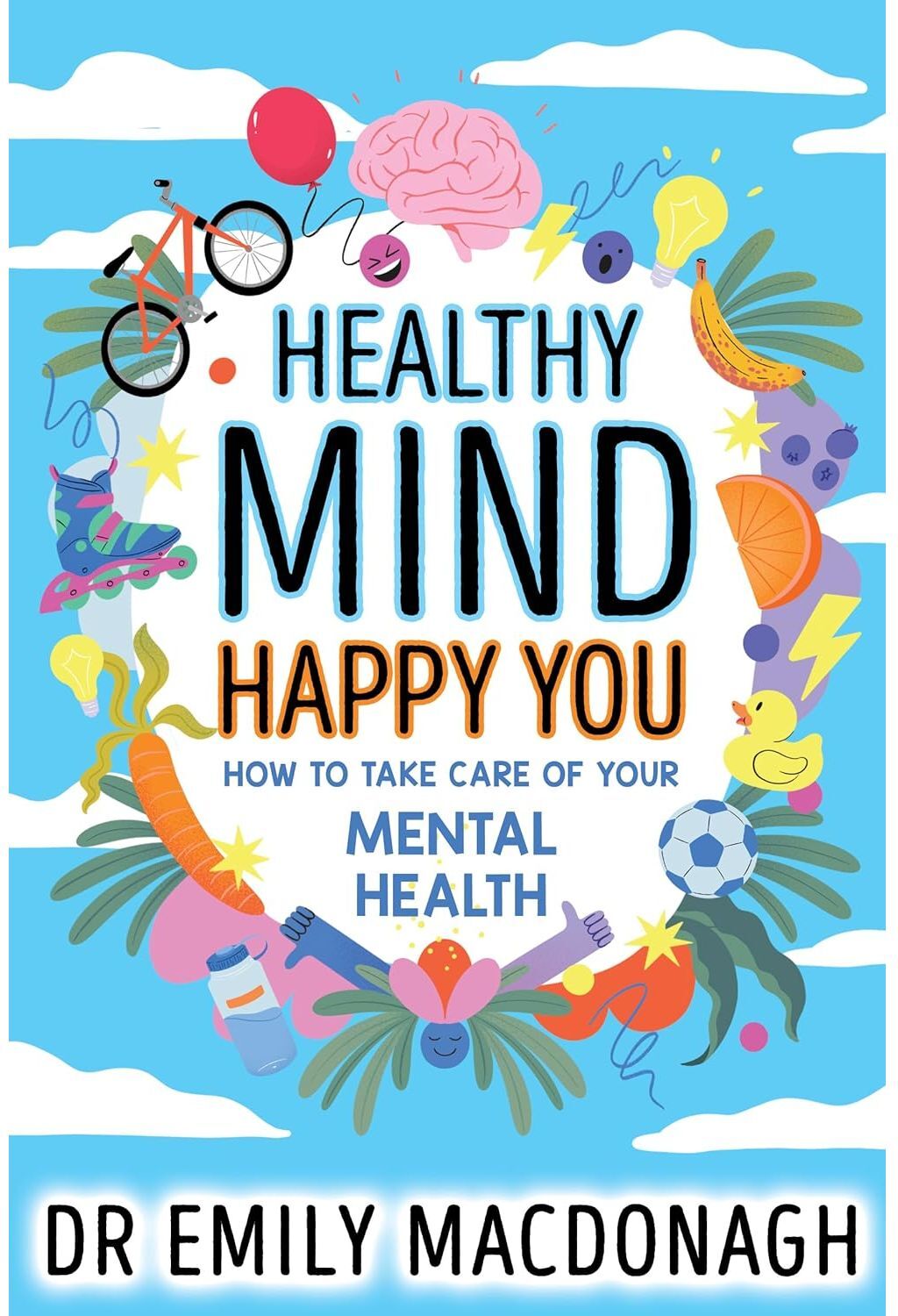
Scholastic Healthy Mind, Happy You: How to Take Care of Your Mental Health - Everything you need to know about anxiety and mental healthHealthy mind, happy you! This reassuring, fact-packed book for girls and boys is all about how to maintain good mental health while growing up. Dr Emily MacDonagh, a practising NHS doctor and OK! magazine’s popular Health and Parenting Columnist, talks about anxiety and mental health in a simple and friendly way. Topics include: What is anxiety, and how can you manage it? Why do people have low mood and depression? How to understand and express your emotions Plus, expert tips and practical information on self-esteem, the physical changes of puberty, resilience, and lots more. Mother of two and step-mother to teenagers, Dr Emily lives with her husband Peter Andre and children in Surrey.7,45 £*Shipping: 2,99 £Secure redirect to the provider
-
Healfit Counter Respirator Fitness Equipment, Breathing Trainer Mouthpiece, Lung Exercise Tool For Household Health Care Respirator Fitness Equipment, Breathing Trainer Mouthpiece, Lung Exercise Tool For Household Health CareEnhance your fitness and stamina with the Breathing Trainer Exercise Lung Face Mouthpiece Respirator Fitness Equipmentyour compact solution for improving lung performance and endurance. Designed for athletes, fitness enthusiasts, and anyone looking...27,97 $*Shipping: 0,00 $Secure redirect to the provider
-
Harper The Longevity Paradox by Steven R. Gundry – Healthy Aging & Nutrition GuideRethink aging and long-term wellness with The Longevity Paradox: How to Die Young at a Ripe Old Age by Steven R. Gundry. In this accessible health guide, Dr. Gundry explores how lifestyle choices — including diet, gut health, and daily habits — may influence how we age. Drawing on research and clinical insights, the book introduces practical strategies aimed at supporting energy, resilience, and overall wellbeing throughout life. Written in a clear, motivating style, The Longevity Paradox encourages readers to take an active role in shaping healthier routines, focusing on prevention and sustainable habits rather than quick fixes. Why Readers Love This Book: Practical insights into healthy aging Focus on nutrition, gut health, and lifestyle habits Accessible science explained clearly Encourages long-term wellness strategies Motivating and easy to follow A thought-provoking guide to living well at every age, The Longevity Paradox inspires readers to rethink how they approach health and longevity.5,99 £*Shipping: 2,99 £Secure redirect to the provider
-
Happy Pet Pantry Meow Mix Original Choice Dry Cat Food Complete Nutrition For Happy, Healthy Adult Cats Meow Mix Original Choice Dry Cat Food Complete Nutrition For Happy, Healthy Adult CatsGive your feline friend a meal they'll eagerly look forward to every day. Dry cat food should do more than satisfy hungerit should support your cat's health, energy, and overall wellbeing. Meow Mix Original Choice combines delicious chicken, turkey,...37,97 $*Shipping: 0,00 $Secure redirect to the provider



-
Why are demonstrative pronouns called demonstrative pronouns?
Demonstrative pronouns are called demonstrative because they demonstrate or point to a specific noun or pronoun in a sentence. They help to indicate the position or location of the noun or pronoun in relation to the speaker or listener. By using demonstrative pronouns such as "this," "that," "these," and "those," speakers can make their communication more precise and clear by specifying which person, place, thing, or idea they are referring to. **
-
With which pronouns do many people confuse reflexive pronouns?
Many people confuse reflexive pronouns with personal pronouns. For example, they may use "myself" or "yourself" instead of "me" or "you" in a sentence. This confusion often occurs when people are trying to emphasize the subject of the sentence, but they mistakenly use a reflexive pronoun instead of a personal pronoun. It's important to understand the difference between reflexive and personal pronouns in order to use them correctly in sentences. **
-
What are pronouns?
Pronouns are words that are used in place of nouns to avoid repetition in a sentence. They can refer to people, places, things, or ideas. Pronouns help make sentences clearer and more concise by replacing specific nouns with general words like "he," "she," "it," "they," and "we." Using pronouns also helps to maintain the flow of writing and make it more engaging for the reader. **
-
Can you help me with personal pronouns and possessive pronouns?
Certainly! Personal pronouns are used to replace nouns in a sentence, such as "I", "you", "he", "she", "it", "we", and "they". Possessive pronouns show ownership or possession, such as "mine", "yours", "his", "hers", "ours", and "theirs". If you need help understanding how to use these pronouns in a sentence or identifying which pronoun to use in a specific context, feel free to ask for more guidance. **


What is the difference between relative pronouns and interrogative pronouns?
Relative pronouns are used to connect a dependent clause to an independent clause, providing more information about a noun in the independent clause. They include words like "who," "which," and "that." Interrogative pronouns, on the other hand, are used to ask questions and gather information. They include words like "who," "what," "which," "whom," and "whose." The main difference between the two is their function in a sentence - relative pronouns connect clauses, while interrogative pronouns are used to ask questions. **
What is the difference between personal pronouns and reflexive pronouns?
Personal pronouns are used to refer to people or things, such as "I," "you," "he," "she," "it," "we," and "they." Reflexive pronouns, on the other hand, are used when the subject and object of a sentence are the same person or thing, such as "myself," "yourself," "himself," "herself," "itself," "ourselves," and "themselves." Reflexive pronouns are used to reflect the action back onto the subject, while personal pronouns simply refer to the subject or object. **
Top-Angebote
Products related to Pronouns:
-
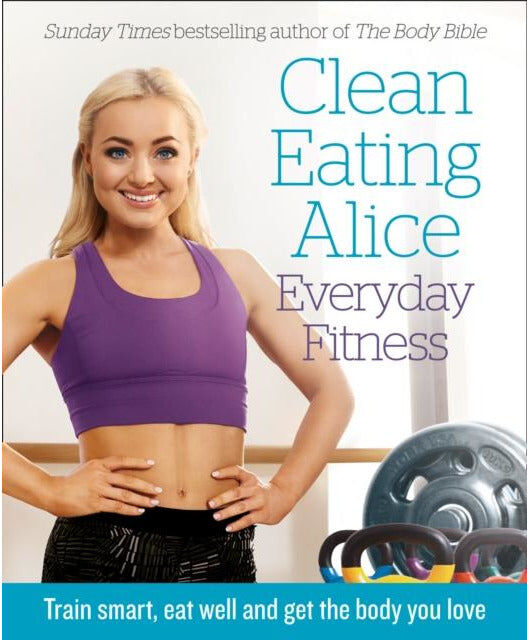
HARPERCOLLINS Clean Eating Alice: Everyday Fitness – Healthy Recipes & Practical Workout Guide for Everyday Wellness by Alice Liveing – Workout & Nutrition GuideTransform your approach to health and fitness with Clean Eating Alice Everyday Fitness: Train Smart, Eat Well and Get the Body You Love by Alice Liveing. This practical, motivating guide combines smart training principles with balanced nutrition to help readers build strength, confidence, and sustainable healthy habits. Alice Liveing shares structured workout plans, approachable meal ideas, and realistic lifestyle advice designed to fit everyday routines — no extremes or quick fixes required. Focused on long-term wellbeing rather than short-term dieting, the book empowers readers to develop a positive relationship with food and exercise while working toward personal fitness goals. Whether you’re new to training or refining your routine, this guide offers clear, supportive direction for lasting results. Why Readers Love This Book: Structured fitness training plans for real-life schedules Balanced nutrition guidance — no fad dieting Encourages sustainable, long-term habits Motivational, beginner-friendly tone Ideal for home or gym-based workouts A smart, accessible roadmap to healthier living, Clean Eating Alice Everyday Fitness helps readers feel strong, energized, and confident.2,80 £*Shipping: 1,99 £Secure redirect to the provider
-
DK Ayurveda: An Ancient System of Holistic Health to Bring Balance and Wellness to Your Life (A Little Book of Self Care)Make Ayurveda an indispensable part of your daily routine with this step-by-step guide to holistic balance and wellness. For a natural approach to self-healing, alternative medicine, and wellness, expert Sonja Shah-Williams has tailored remedies including Ayurveda recipes, skincare, yoga, and mindful meditation techniques. Harness the power of alternative therapies and discover: - What Ayurveda is and the benefits of the practice - Easy to follow, step by step illustrated guide to Ayurvedic practices - Ayurvedic super-foods and recipes - How to easily incorporate holistic practices into daily life - Positive affirmations, mindfulness techniques and exercises Modern science has proved the effectiveness of Ayurveda as a view of the world based on ancient beliefs that everything is connected and that balance is the key to wellbeing. Ayurveda focuses on the prevention of disease by focusing on anti-inflammatory diets, mindful meditation, and massages. This practical guide is an Ayurvedic consultation at your disposal. This little self-care book will take you on a breathtaking journey of holistic healing. It begins by unpacking what Ayurveda is and the benefits of the practice. This reference book includes wellness practices designed to uplift the mind, body, and spirit and healing treatments designed to address, relieve, and help cure a range of common conditions.4,95 £*Shipping: 1,99 £Secure redirect to the provider
-
Scholastic Healthy Mind, Happy You: How to Take Care of Your Mental Health - Everything you need to know about anxiety and mental healthHealthy mind, happy you! This reassuring, fact-packed book for girls and boys is all about how to maintain good mental health while growing up. Dr Emily MacDonagh, a practising NHS doctor and OK! magazine’s popular Health and Parenting Columnist, talks about anxiety and mental health in a simple and friendly way. Topics include: What is anxiety, and how can you manage it? Why do people have low mood and depression? How to understand and express your emotions Plus, expert tips and practical information on self-esteem, the physical changes of puberty, resilience, and lots more. Mother of two and step-mother to teenagers, Dr Emily lives with her husband Peter Andre and children in Surrey.7,45 £*Shipping: 2,99 £Secure redirect to the provider
-
Healfit Counter Respirator Fitness Equipment, Breathing Trainer Mouthpiece, Lung Exercise Tool For Household Health Care Respirator Fitness Equipment, Breathing Trainer Mouthpiece, Lung Exercise Tool For Household Health CareEnhance your fitness and stamina with the Breathing Trainer Exercise Lung Face Mouthpiece Respirator Fitness Equipmentyour compact solution for improving lung performance and endurance. Designed for athletes, fitness enthusiasts, and anyone looking...27,97 $*Shipping: 0,00 $Secure redirect to the provider
-
Can sports, healthy nutrition, and meditation as self-reflection replace therapy for mental illnesses?
While sports, healthy nutrition, and meditation can certainly contribute to overall well-being and mental health, they are not a replacement for therapy for mental illnesses. Therapy provides a structured and professional approach to addressing mental health issues, offering personalized treatment plans and interventions tailored to an individual's specific needs. While engaging in healthy lifestyle practices can be beneficial, they should be seen as complementary to therapy rather than a substitute. It's important for individuals with mental illnesses to seek professional help from a licensed therapist or mental health professional to receive the appropriate support and treatment. **
-
What are demonstrative pronouns and relative pronouns?
Demonstrative pronouns are pronouns that are used to point to specific things or people. Examples of demonstrative pronouns include "this," "that," "these," and "those." Relative pronouns are pronouns that introduce dependent clauses and connect them to independent clauses. Examples of relative pronouns include "who," "whom," "whose," "which," and "that." **
-
Why are demonstrative pronouns called demonstrative pronouns?
Demonstrative pronouns are called demonstrative because they demonstrate or point to a specific noun or pronoun in a sentence. They help to indicate the position or location of the noun or pronoun in relation to the speaker or listener. By using demonstrative pronouns such as "this," "that," "these," and "those," speakers can make their communication more precise and clear by specifying which person, place, thing, or idea they are referring to. **
-
With which pronouns do many people confuse reflexive pronouns?
Many people confuse reflexive pronouns with personal pronouns. For example, they may use "myself" or "yourself" instead of "me" or "you" in a sentence. This confusion often occurs when people are trying to emphasize the subject of the sentence, but they mistakenly use a reflexive pronoun instead of a personal pronoun. It's important to understand the difference between reflexive and personal pronouns in order to use them correctly in sentences. **
Similar search terms for Pronouns
-
Harper The Longevity Paradox by Steven R. Gundry – Healthy Aging & Nutrition GuideRethink aging and long-term wellness with The Longevity Paradox: How to Die Young at a Ripe Old Age by Steven R. Gundry. In this accessible health guide, Dr. Gundry explores how lifestyle choices — including diet, gut health, and daily habits — may influence how we age. Drawing on research and clinical insights, the book introduces practical strategies aimed at supporting energy, resilience, and overall wellbeing throughout life. Written in a clear, motivating style, The Longevity Paradox encourages readers to take an active role in shaping healthier routines, focusing on prevention and sustainable habits rather than quick fixes. Why Readers Love This Book: Practical insights into healthy aging Focus on nutrition, gut health, and lifestyle habits Accessible science explained clearly Encourages long-term wellness strategies Motivating and easy to follow A thought-provoking guide to living well at every age, The Longevity Paradox inspires readers to rethink how they approach health and longevity.5,99 £*Shipping: 2,99 £Secure redirect to the provider
-
Happy Pet Pantry Meow Mix Original Choice Dry Cat Food Complete Nutrition For Happy, Healthy Adult Cats Meow Mix Original Choice Dry Cat Food Complete Nutrition For Happy, Healthy Adult CatsGive your feline friend a meal they'll eagerly look forward to every day. Dry cat food should do more than satisfy hungerit should support your cat's health, energy, and overall wellbeing. Meow Mix Original Choice combines delicious chicken, turkey,...37,97 $*Shipping: 0,00 $Secure redirect to the provider
-
Healfit Counter Balance Trainer Pedal, Inflatable Stepper Core Exercise Equipment, Office Fitness, Home Gym Muscle Relaxing Massage purpleElevate Your Fitness with the Inflatable Stepper Core Exercise Equipment Designed to improve balance and core strength, the Inflatable Stepper Core Exercise Equipment is the ideal addition to any home gym. It combines functionality and comfort to...89,97 $*Shipping: 0,00 $Secure redirect to the provider
-
KitchenCuration Healing Quartz Crystal Water Bottle For Wellness & Energy Balance FluoriteRefresh your daily routine with a beautifully designed crystal water bottle that combines mindful living with elegant style. Crafted for wellness enthusiasts, yoga lovers, and anyone seeking a calming hydration experience, this bottle features a...49,97 $*Shipping: 0,00 $Secure redirect to the provider
-
What are pronouns?
Pronouns are words that are used in place of nouns to avoid repetition in a sentence. They can refer to people, places, things, or ideas. Pronouns help make sentences clearer and more concise by replacing specific nouns with general words like "he," "she," "it," "they," and "we." Using pronouns also helps to maintain the flow of writing and make it more engaging for the reader. **
-
Can you help me with personal pronouns and possessive pronouns?
Certainly! Personal pronouns are used to replace nouns in a sentence, such as "I", "you", "he", "she", "it", "we", and "they". Possessive pronouns show ownership or possession, such as "mine", "yours", "his", "hers", "ours", and "theirs". If you need help understanding how to use these pronouns in a sentence or identifying which pronoun to use in a specific context, feel free to ask for more guidance. **
-
What is the difference between relative pronouns and interrogative pronouns?
Relative pronouns are used to connect a dependent clause to an independent clause, providing more information about a noun in the independent clause. They include words like "who," "which," and "that." Interrogative pronouns, on the other hand, are used to ask questions and gather information. They include words like "who," "what," "which," "whom," and "whose." The main difference between the two is their function in a sentence - relative pronouns connect clauses, while interrogative pronouns are used to ask questions. **
-
What is the difference between personal pronouns and reflexive pronouns?
Personal pronouns are used to refer to people or things, such as "I," "you," "he," "she," "it," "we," and "they." Reflexive pronouns, on the other hand, are used when the subject and object of a sentence are the same person or thing, such as "myself," "yourself," "himself," "herself," "itself," "ourselves," and "themselves." Reflexive pronouns are used to reflect the action back onto the subject, while personal pronouns simply refer to the subject or object. **
* All prices are inclusive of VAT and, if applicable, plus shipping costs. The offer information is based on the details provided by the respective shop and is updated through automated processes. Real-time updates do not occur, so deviations can occur in individual cases. ** Note: Parts of this content were created by AI.